
The Light Left On
Some people are built for the long dark.

There is a place on this planet where the sun goes down in May and does not come back until August.
It's called Concordia, a research station near the top of the Antarctic plateau, so remote and so brutal that the European Space Agency rehearses for Mars there. They call it "White Mars." For more than three months of the year there is no sunrise at all — just dark, and cold that drops below minus eighty, and a small crew sealed inside with nothing but each other and the hum of the machines keeping them alive.
Here's the part nobody tells you. The people who do best in that long dark are almost never the ones you'd bet on.
The loud, sunny, life-of-the-party types — the ones who light up a summer barbecue — tend to come apart when the night settles in for good. Scientists who study these crews even have a name for what goes wrong: winter-over syndrome. Low mood, irritability, the famous thousand-yard "Antarctic stare." It tends to peak in the dead middle of winter, when the dark has stopped being a novelty and the sun is still months away.
And the ones who hold? Who keep the crew steady, who keep their own light burning low and even when there's nothing outside to reflect it? They're usually the quiet ones.
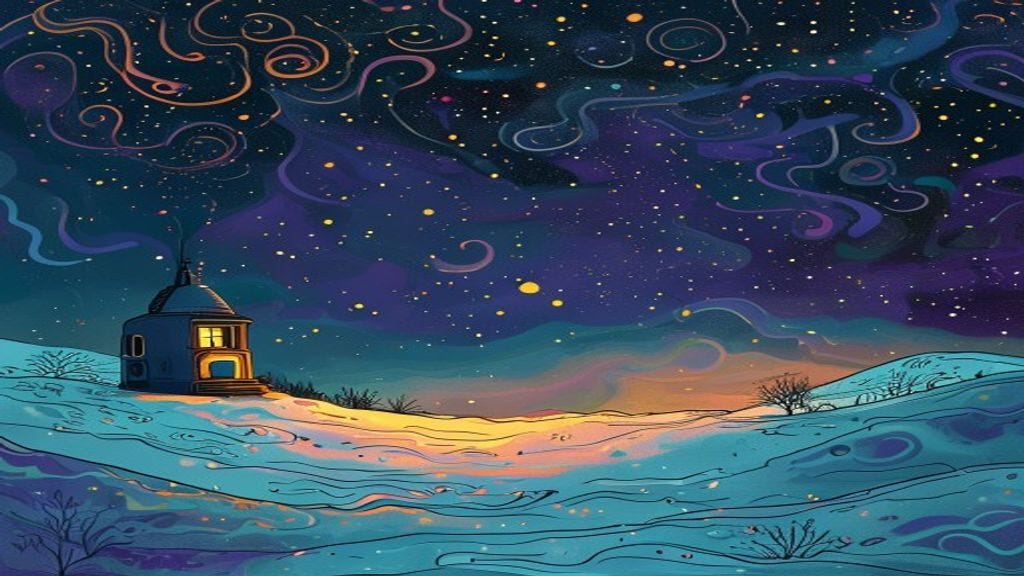
I want you to sit with that, because I think it's the truest thing I can tell you about who you are.
You are not the summer sun. You were never supposed to be. The summer sun is loud and generous and everywhere at once, and it is wonderful — for exactly as long as the good weather holds.
You are the lamp left on in the window.
You're the small, steady light that doesn't need an audience to keep burning. The sun performs for a crowd. A lamp in the window simply stays lit, quietly, for whoever is out there in the dark trying to find their way home. It doesn't flicker when no one is watching. It doesn't go out because the party ended. That is not a flaw in your wiring. That is the entire point of your wiring.
Think about why a light like that even exists.
For almost all of human history, the dark was not a metaphor. Night was when things went wrong — when the fire burned low, when someone got sick, when the weather turned and didn't turn back. A band of people who were all summer suns would have been magnificent in the good season and helpless the first time the long dark came. So nature kept a few of us different. It made us spend our energy carefully, hold back from the constant noise, keep something in reserve. Not because we were broken. Because someone had to still be burning when the lights went out.
That's you.
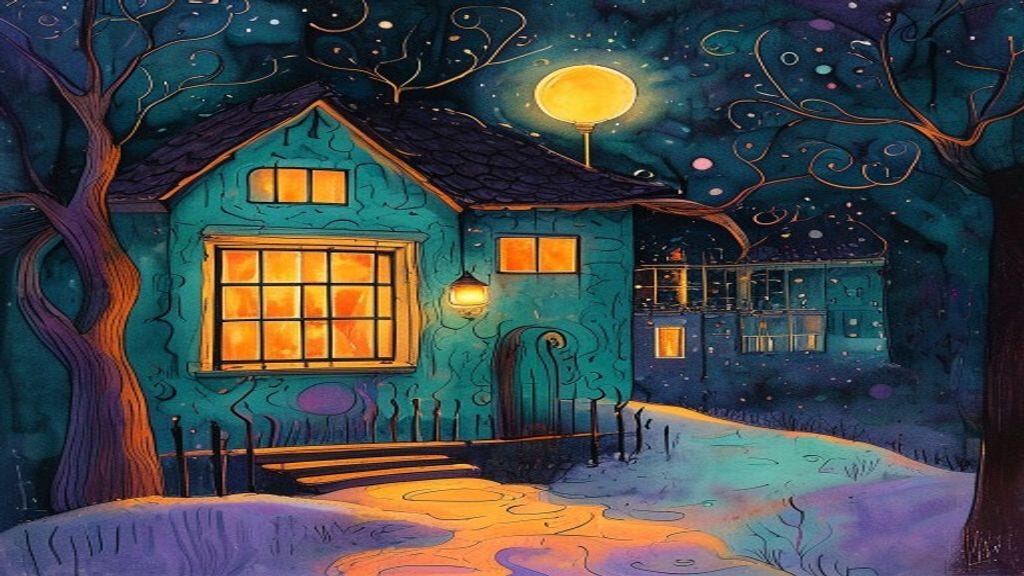
So stop measuring yourself by the summer.
Stop wondering why you don't blaze the way the sunny ones blaze, why three hours at a party drains a tank it takes them no effort to fill, why you go quiet exactly when the room gets loud. You are not running low. You are running on a different fuel, made for a different season — and that season always, eventually, comes.
When it does — when someone you love is in the long dark, when the news is bad and the room goes silent, when the crisis settles in for the winter and refuses to leave — people will not go looking for the brightest light in the room. They'll look for the steadiest one. They'll look for the lamp that's still on.
They'll look for you.
You don't have to prove this. You don't have to become louder, or sunnier, or more. You only have to stay lit. Keep your small, true light burning, low and even, the way you always have. The world has no shortage of suns. What it runs short on, when the dark finally comes, is people who don't go out.
Be the light left on.